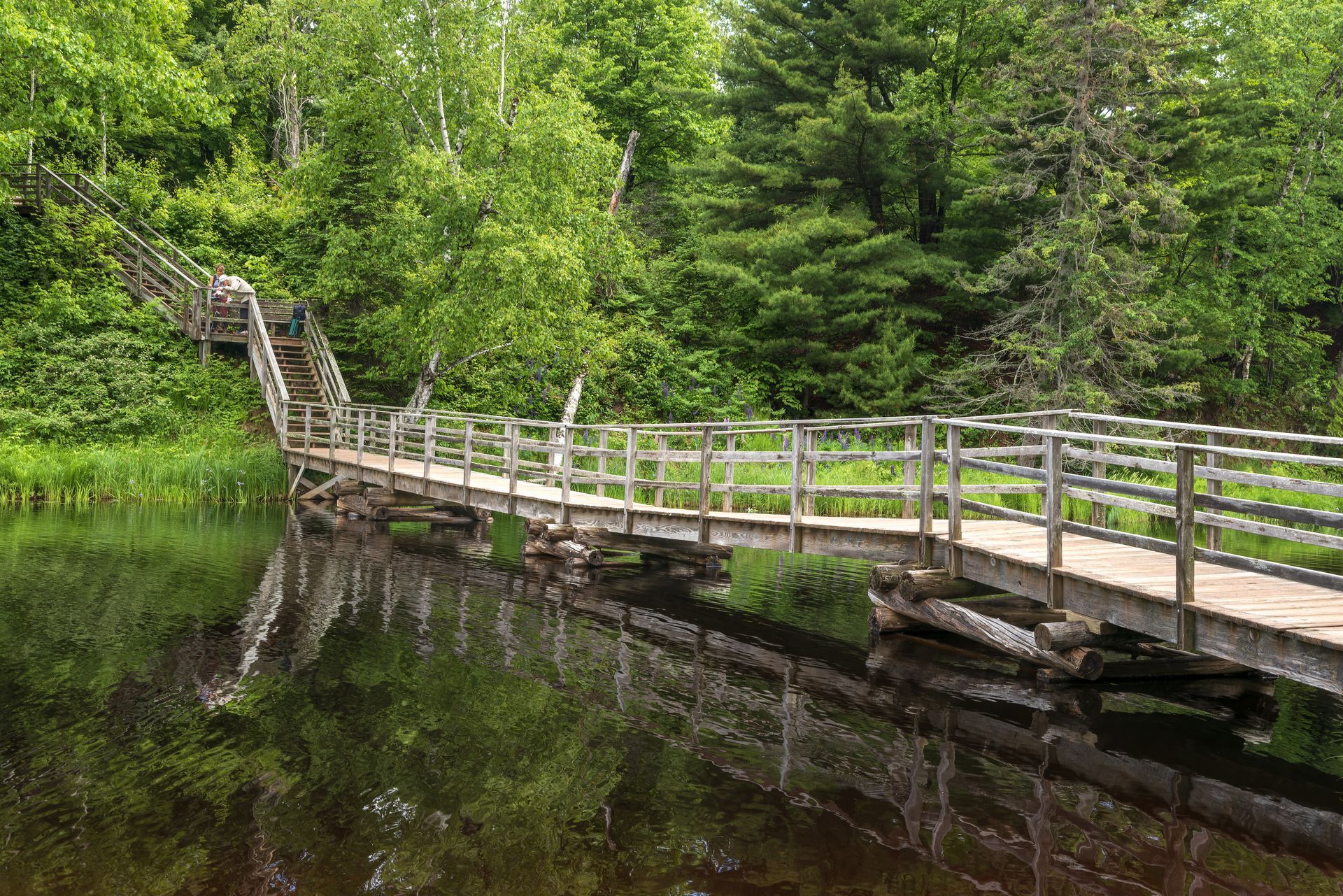
Wildlife plays a central role in how people experience the Apostle Islands. The mix of old growth forest, wetlands, shoreline, and open lake supports a wide range of species throughout the year. White tailed deer, black bears, red foxes, and river otters are commonly documented on the islands and mainland. Birdlife is especially significant, with bald eagles nesting throughout the area and migratory birds using the islands as stopover habitat during spring and fall migrations. This wildlife background is closely tied to the park’s protected status, which limits development and helps maintain the ecosystems that support both resident and seasonal species.
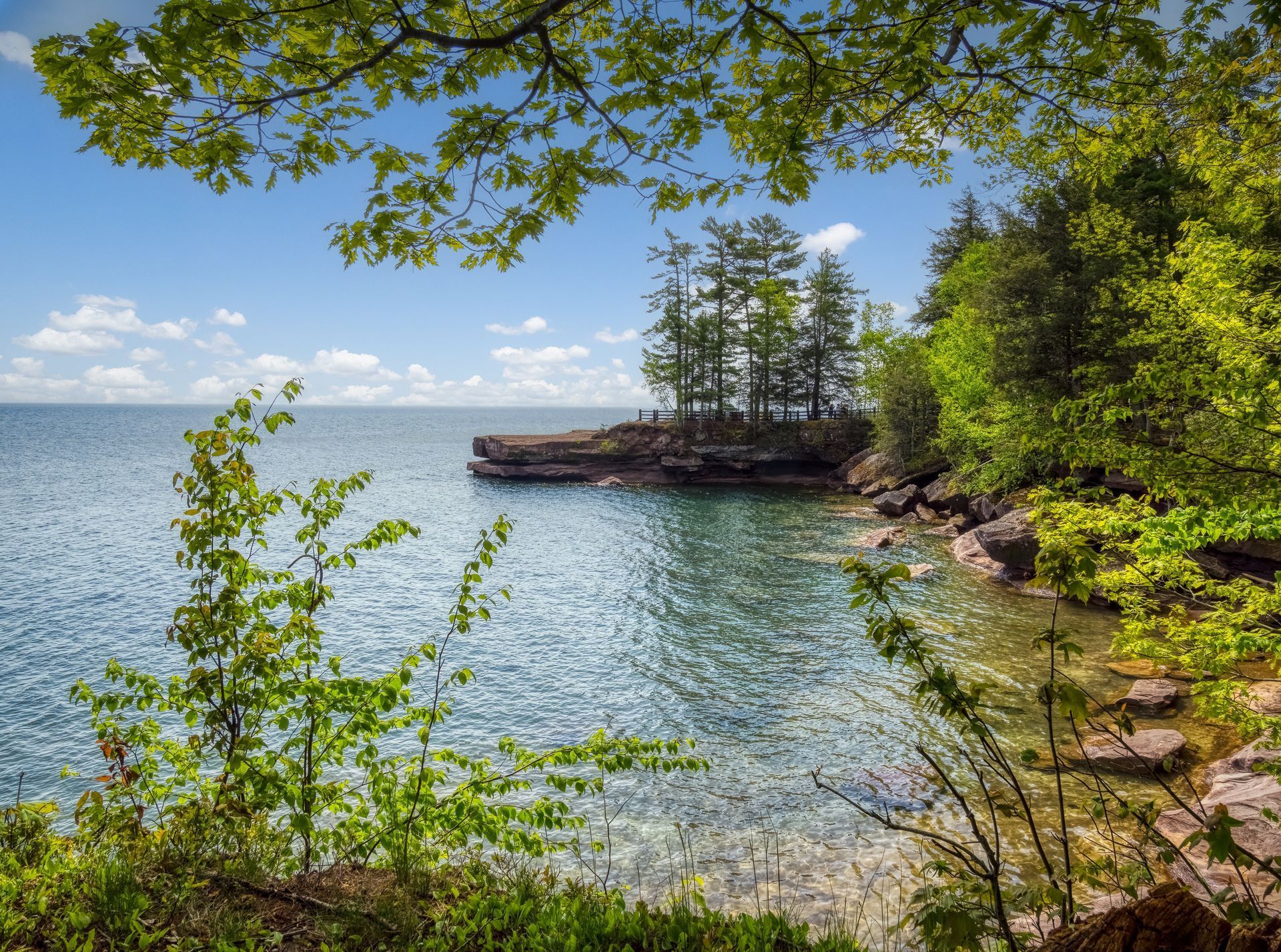
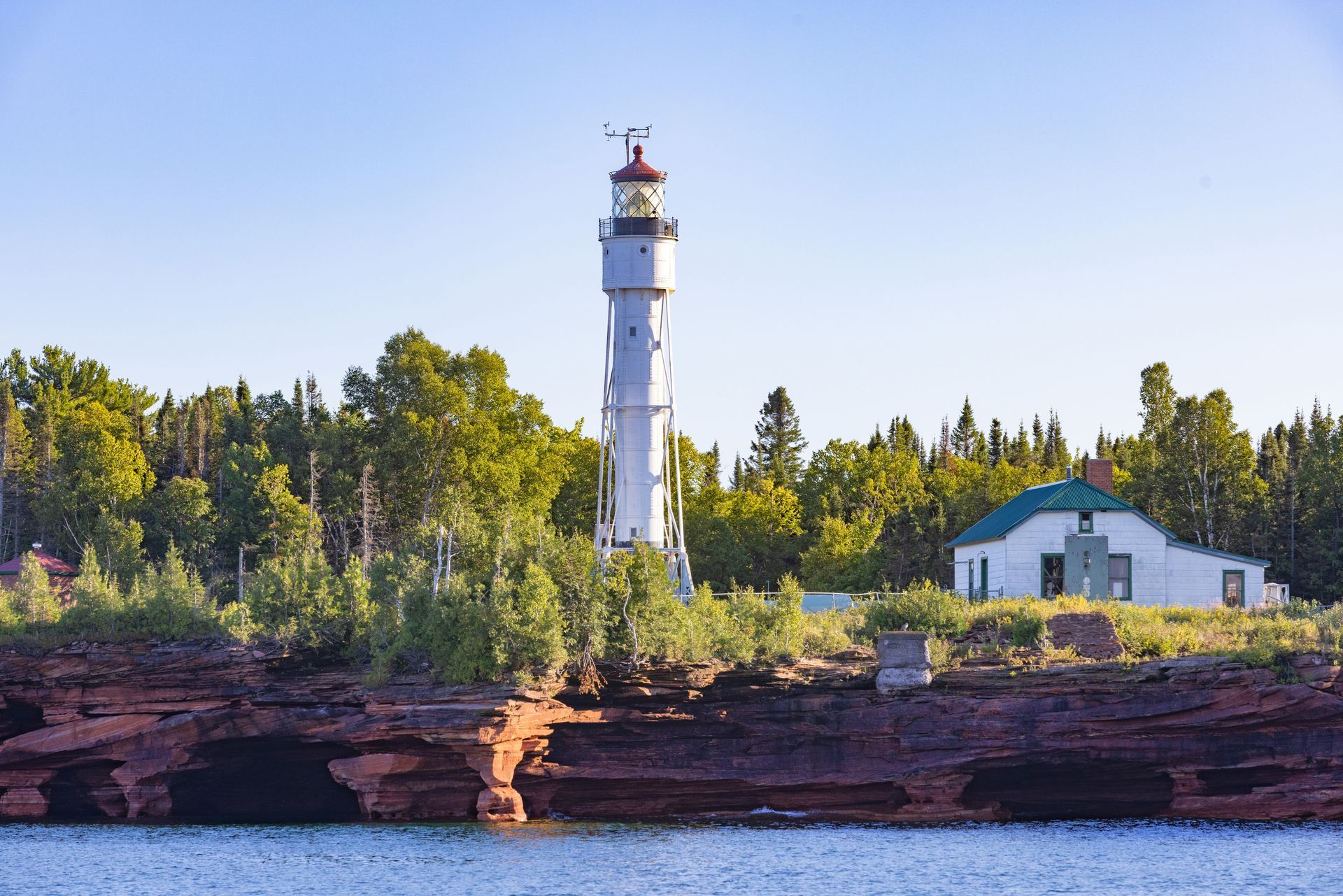
Hiking in the Apostle Islands offers a different perspective on the landscape, especially for those who explore the mainland trails. The Lakeshore Trail is one of the most well known routes, running for miles along Lake Superior and providing views of cliffs, beaches, and wooded bluffs. Shorter trails branch off toward overlooks and access points, making it possible to tailor hikes to different experience levels. On several of the islands, additional trails lead through forests and past historic sites, although access depends on weather and transportation availability.
Boating is one of the primary ways visitors reach the islands themselves.
Boating in the Apostle Islands includes private vessels, guided cruises, water taxis, and sea kayaking. The park is nationally recognized for its sea caves, which are explored by kayak during calm conditions in warmer months and, in some winters, on foot when ice forms along the cliffs. Lake Superior’s size and weather patterns require careful planning, as waves and wind can develop quickly and affect travel between islands.
Fishing has long been part of the region’s history, and
Apostle Islands fishing remains popular today. Lake Superior supports cold water species such as lake trout, brown trout, and salmon, while nearshore and inland waters offer opportunities for smallmouth bass and other fish. Anglers fish from boats, shorelines, and in winter through the ice when conditions allow. Regulations are designed to protect fish populations, and permits are required depending on location and method.
Together, wildlife observation, hiking, boating, and fishing define the Apostle Islands experience. Each activity reflects the influence of Lake Superior and the park’s protected status, shaping how people interact with the landscape. Whether exploring trails along the mainland, navigating open water between islands, or watching wildlife along the shoreline, visitors encounter a setting where natural processes remain central to daily life on the lake.